Paratext plays a critical role in shaping viewer’s perceptions of enclosed material in a book before even opening it. As mentioned in class, the range of book covers for Homer’s Iliad spanned from modern and stylized, to archaic and dark. Some were simple and others were heavily symbolized; all of which intended to emit some kind of message and reach a specific audience.
In comparing and analyzing some of the many book covers of Homer’s Iliad in class, I was interested in looking at another classic novel that has various versions of cover art: Shakespeare’s Romeo and Juliet. In some of the pictures I have attached below we can see that some paratext highlights a specific symbol, such as the rose (just like some versions of the Iliad emphasize the shield), and others focus on the characters. Some Romeo and Juliet covers are dramatized and serious, while others are playful and romantic.


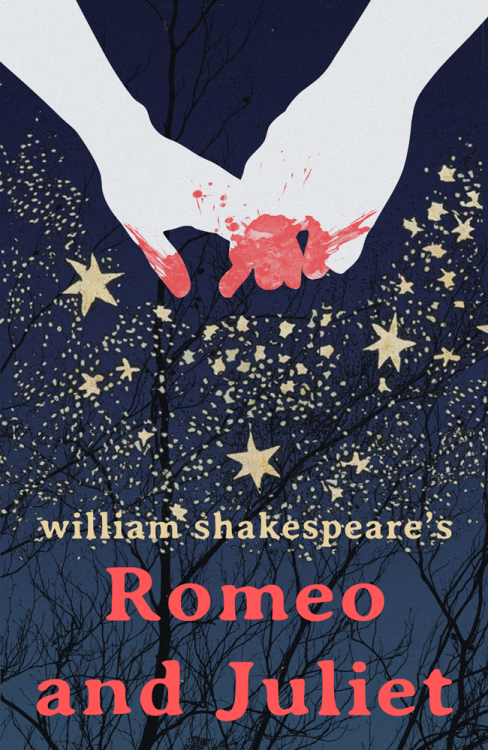

Is it necessary to continuously remake the covers of classic literature such as the Iliad or Romeo and Juliet? I think it may be. As time progresses and generational interests, norms, and values shift, it is important for editors, publishers, and even marketers to consider what exactly will attract their target audience to a classic work, because a book’s exterior is instantly, maybe even unconsciously, perceived in a judgmental way. If paratext of classic literature continues to adapt to attract certain readers, it will not only benefit the reader, who was intrigued by the artwork and soaked up the content, but the author as well seeing as they made a profit. While I recognize that creating new cover art for classic works can potentially take away from the history or origins of a piece, I believe it is acceptable for creative minds to construct alternate versions of paratext through their own interpretations.