Chapter 19, “I am a gold coin”, really emphasized the theme in this novel of real vs imitation, as well as honesty vs deceit. The coin speaks to us, telling us of its journeys from hand to hand, and then reveals to us that it is actually counterfeit gold. The idea of counterfeit money is interesting–if no one can tell it is counterfeit, and the money is accepted by all, then no one will ever be cheated from the coin. This plays to the idea of imitation from the miniaturists. The Eastern way of painting was to paint such that paintings of new and old were indistinguishable, and style was nonexistant– essentially imitation. I think the parallels between the circulation of counterfeit money and the circulation of imitated paintings is an interesting pairing. The coin also points out that it essentially drives all desires. On page 106, it states “If I didn’t exist, however, no one would be able to distinguish a good artist from a bad one, and this would lead to chaos among the miniaturists; they’d all be at each other’s throats.” This quotation describes how money is used to distinguish miniaturists in their art–even though they are not supposed to paint for glory/money and instead paint for Allah, money unavoidably exists as a source of competition between the miniaturists. 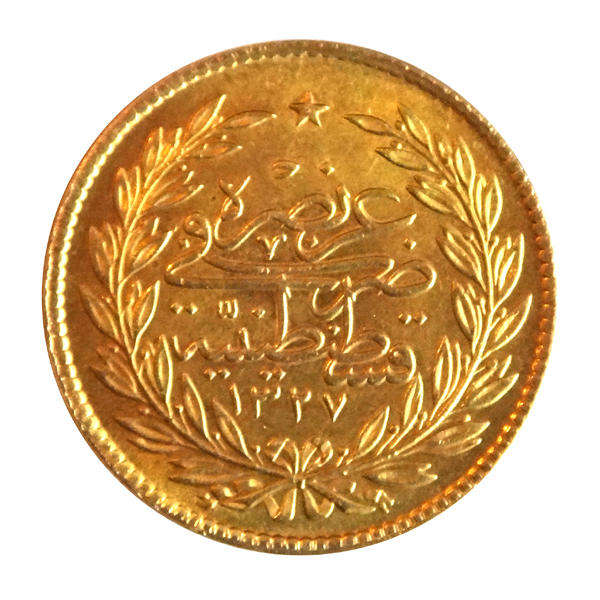

Images With(In) Books
