1. Disease and Behavioral Ecology of Crows
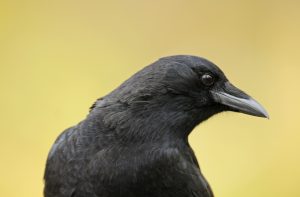
American crows exhibit remarkable cognitive capacities. They are also highly social and variable in their behavioral strategies. Unfortunately, they are also susceptible to many endemic and emerging pathogens.
My lab has combined research on the prevalence, environmental correlates, and pathogenicity of crow diseases [e.g., West Nile virus, Campylobacter jejuni, antibiotic-resistant bacteria, and haemosporidian parasites] with research on different aspects of crow behavior, including migration, movement, and mating strategies (e.g.,
Townsend et al. 2018 Ecol Evol; Hinton et al. 2015 J Med Entomol; Taff and Townsend 2017 J Avian Biol; Weis et al. 2016 Appl Environ Microbiol; Jamborova et al. 2017 Environ Microbiol Townsend et al. 2019 Mol. Ecol; Townsend et al. 2018 Orn. Adv.; Townsend et al. 2018 Ecosphere).
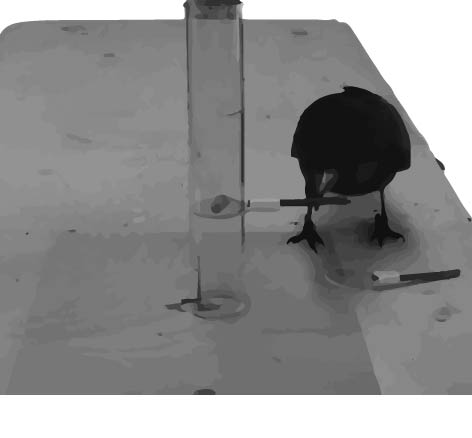
Currently, we are focused on how cognitive performance is affected by condition, inbreeding, and migratory tendency, as well as the genetic underpinnings of behavior and disease. In this work, we complement field studies of behavior with satellite telemetry, molecular tools, and aviary-based cognitive experiments.
This research was featured on a recent episode of the podcast OK, But… Birds! Check it out here.
Migration Patterns of American Crows

2. Climate Change & Migratory Songbirds
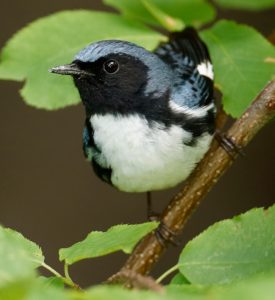
In collaboration with researchers from Cornell University, the Smithsonian Institution, Dartmouth College, and Wellesley College, we have been examining the phenological, fitness, and population responses to climate change of a Nearctic – Neotropical migratory songbird, the black-throated blue warbler (Setophaga caerulescens), using a long-term dataset from the Hubbard Brook Experimental Forest, New Hampshire.
Our work suggests that—like many other species—black-throated blue warblers are advancing their lay date as spring temperatures increase. Our results were unusual, however, in that black-throated blue warblers appear to derive a short-term fitness advantage from warmer springs and longer breeding seasons (Townsend et al. 2013 PLoS ONE; Townsend et al. 2015 Global Change Biol). Ultimately, however, this benefit may be outweighed by climate-driven losses to their high-elevation habitat.
3. Conservation Genetics
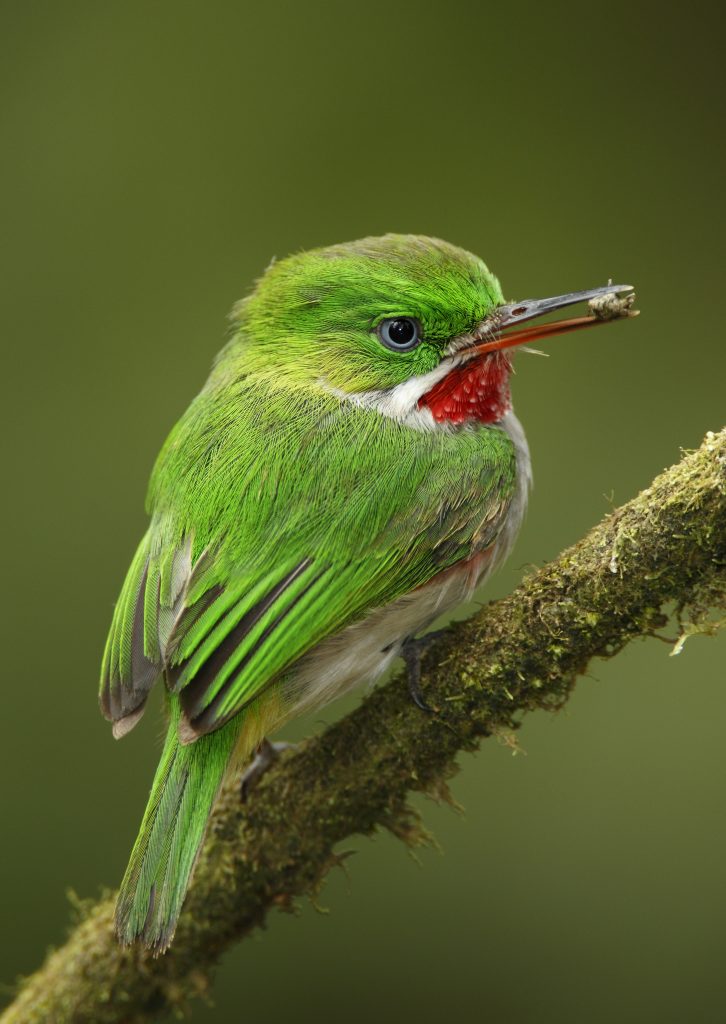
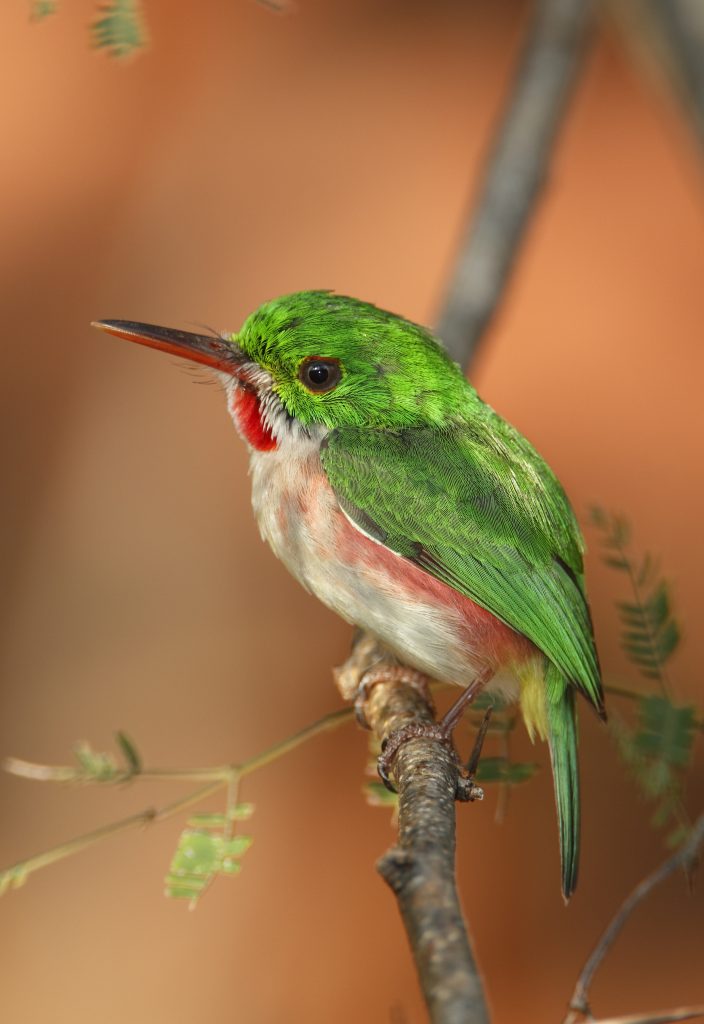
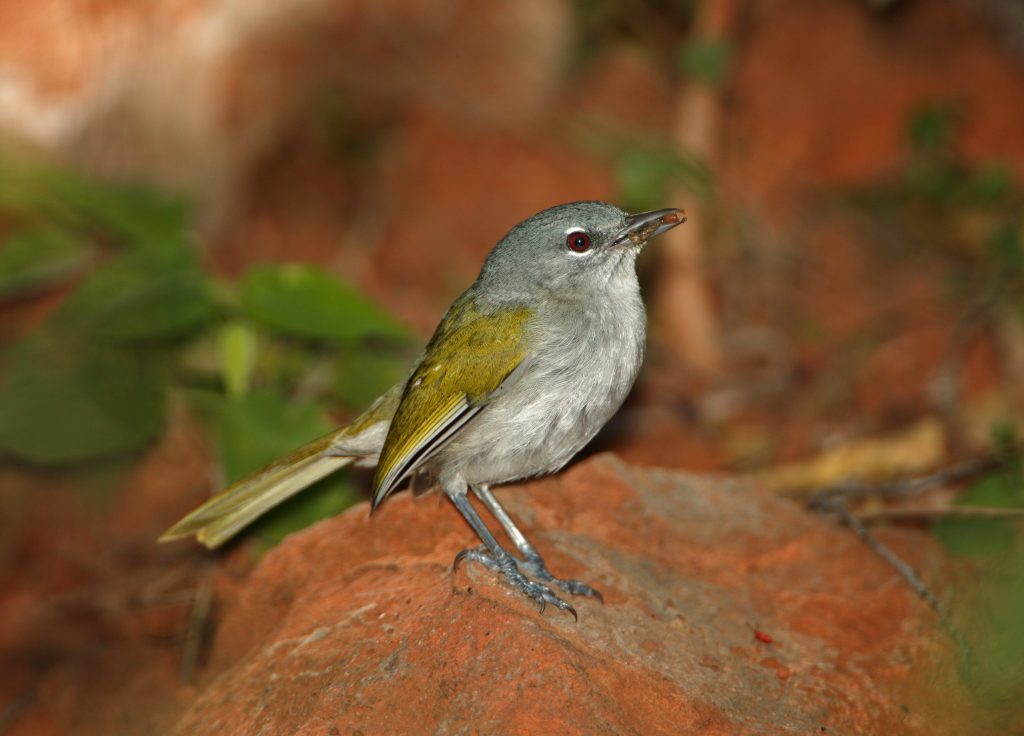
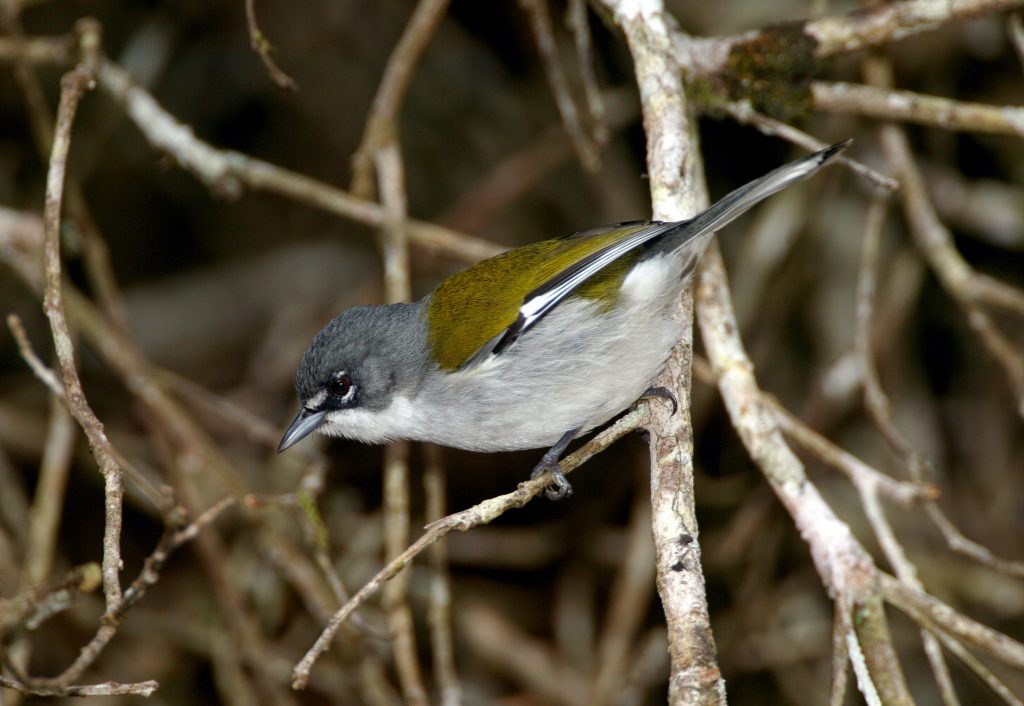
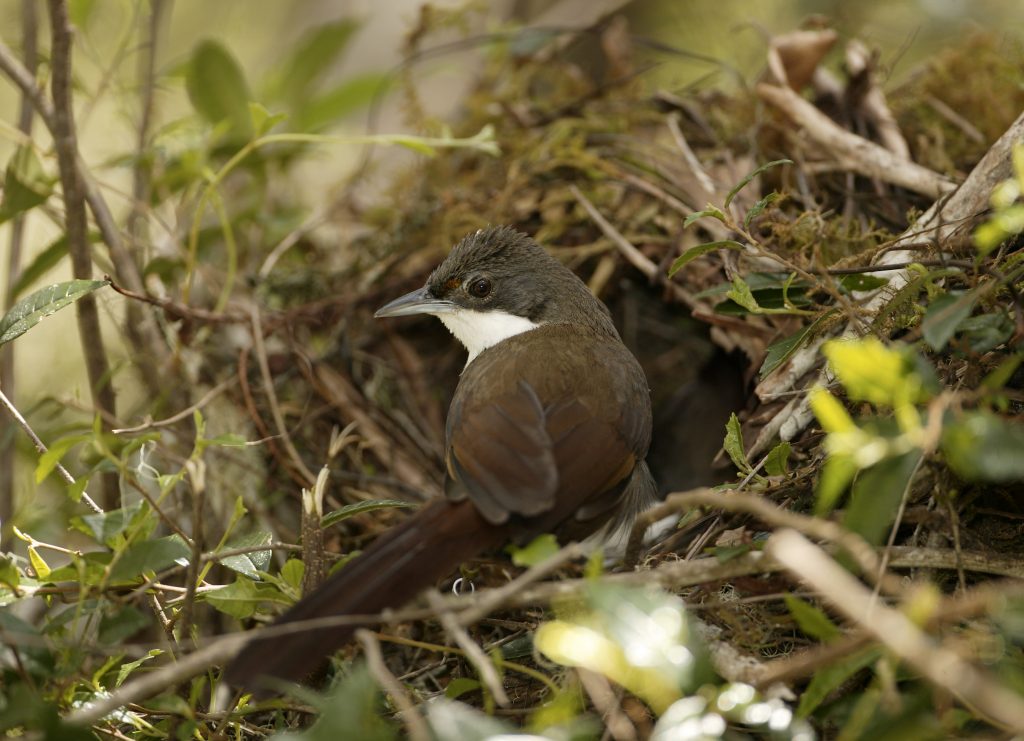
The Caribbean island of Hispaniola is unusual in that it supports many endemic sister species of birds, suggesting that many within-island radiations have occurred. Some of the endemic, congeneric species pairs on Hispaniola include the eastern and western chat-tanagers, the gray-headed and black-headed palm-tanagers, the white-winged warbler and green-tailed ground-warbler, and the broad- and narrow-billed tody. Current theory and empirical evidence suggest that within-island speciation in birds is unlikely in all but the largest islands, and so this amazing diversification of endemic birds on Hispaniola begs explanation. In addition, some populations that are unique to Haiti are of desperate conservation concern.
We carried out a comparative phylogeography of many of the endemic Hispaniolan birds, illuminating differences in the probable sources and timing of divergence among these taxa [Townsend et al. 2007 Mol Ecol; Sly et al 2011 Mol. Ecol., Sly et al. 2010 Cons Genetics]. Prior to our expeditions, no genetic samples of birds had ever been collected in Haiti (Rimmer et al. 2005 Orn. Neotrop.). Field work in Haiti is logistically difficult, and this work was an important contribution to conservation efforts in the critically endangered Haitian forest habitat.